SUPER SIMPLIFIED
Pictographic Ethics Guide UPSC GS4 MAINS
Pictographic Ethics Guide UPSC GS4 MAINS
Couldn't load pickup availability
The Pictographic Ethics Guide UPSC Aspirants Use to Ace GS4
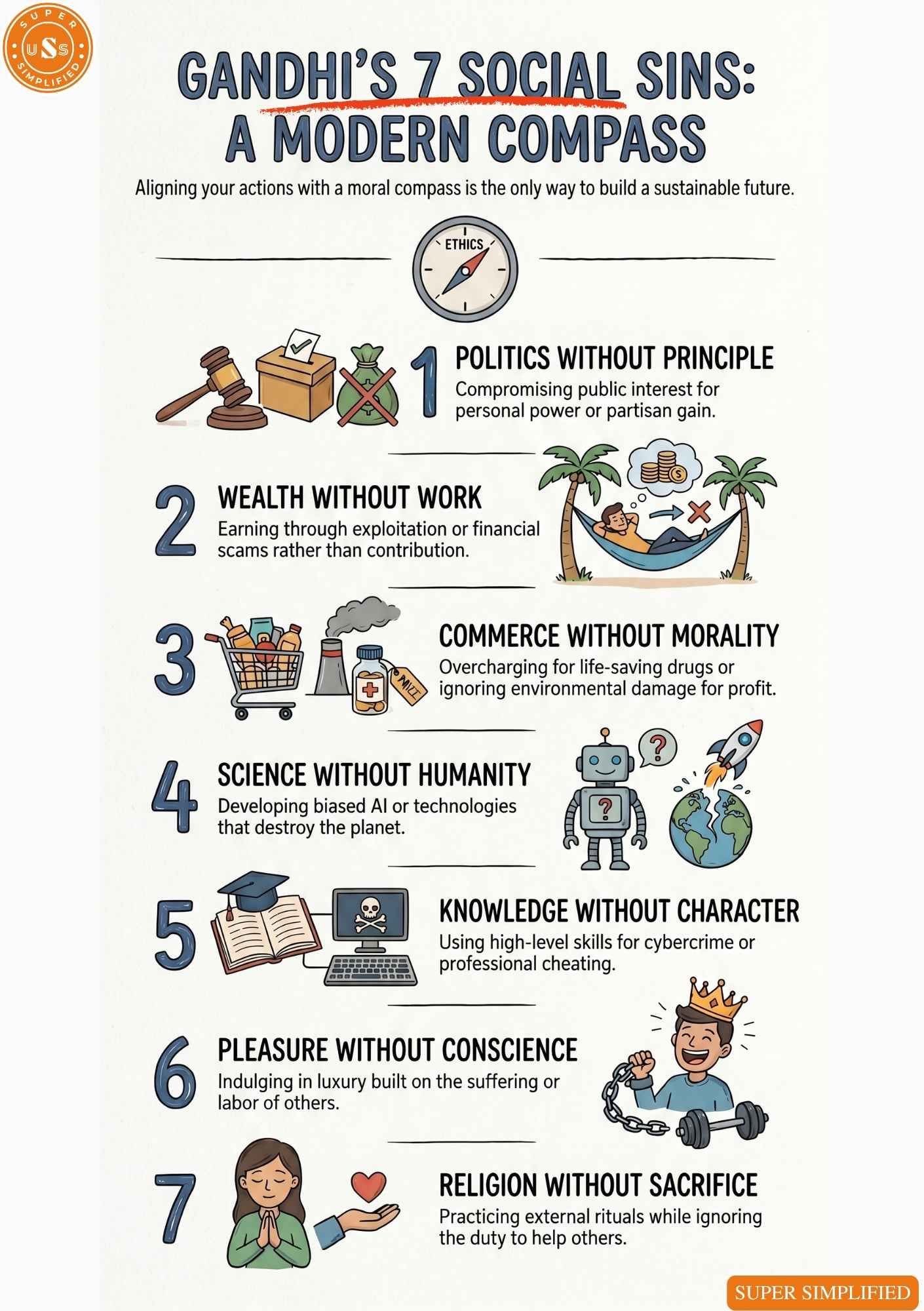
Struggling to make Ethics theory and case studies stick for GS Paper 4? The Pictographic Ethics Guide UPSC aspirants trust, by Dr. Gaurav J. Sontake, converts the entire GS4 syllabus into visual, one-look pages — so you spend less time re-reading theory and more time practicing the diagrams and flowcharts examiners are known to reward.

What's Inside
- Core Ethics theory — ethical thinkers, theories, and human interface concepts explained through visuals instead of dense paragraphs
- Integrity, aptitude & emotional intelligence — the recurring Section A themes, distilled into memorable pictographs
- Case study frameworks — structured, diagram-based approaches to identify stakeholders, conflicts, and ethical principles quickly
- Ready-to-reproduce diagrams — the same visual style you can recreate directly in your Mains answer sheet
- One-look revision format — built for fast recall in the final weeks before Mains
Why a Pictographic Ethics Guide Works Better for UPSC GS4
Ethics is the one GS paper with no single correct answer — what earns marks is clarity of reasoning and structure. Diagrams and flowcharts consistently help case study answers stand out to examiners, which is exactly why this guide is built visually from the ground up, rather than as another block of theory to memorize.
📚 Full colour · Available as Physical Book or instant-download eBook/PDF
About the Author
Dr. Gaurav J. Sontake is the founder of UPSC Super Simplified and has been mentoring UPSC aspirants since 2018. Before dedicating himself full-time to civil services exam preparation, he practiced as an Ayurveda doctor. Since 2018, he has personally helped hundreds of aspirants sharpen their Mains answer writing — through offline sessions in Pune and online mentorship reaching students across India. Dr. Sontake is known for his mnemonic-based, visual approach to UPSC preparation, applied consistently across his full catalog of books. His teaching philosophy centers on the Japanese Kaizen principle of gradual, consistent improvement, which he applies to both content design and personalized answer-writing feedback for his students.
Explore more visual, mnemonic-first study guides by Dr. Gaurav J. Sontake at UPSC Super Simplified.